Easter Island, a Chilean territory, is a remote volcanic island in Polynesia. Its native name is Rapa Nui. It’s famed for archaeological sites, including nearly 900 monumental statues called moai, created by inhabitants during the 13th–16th centuries. 
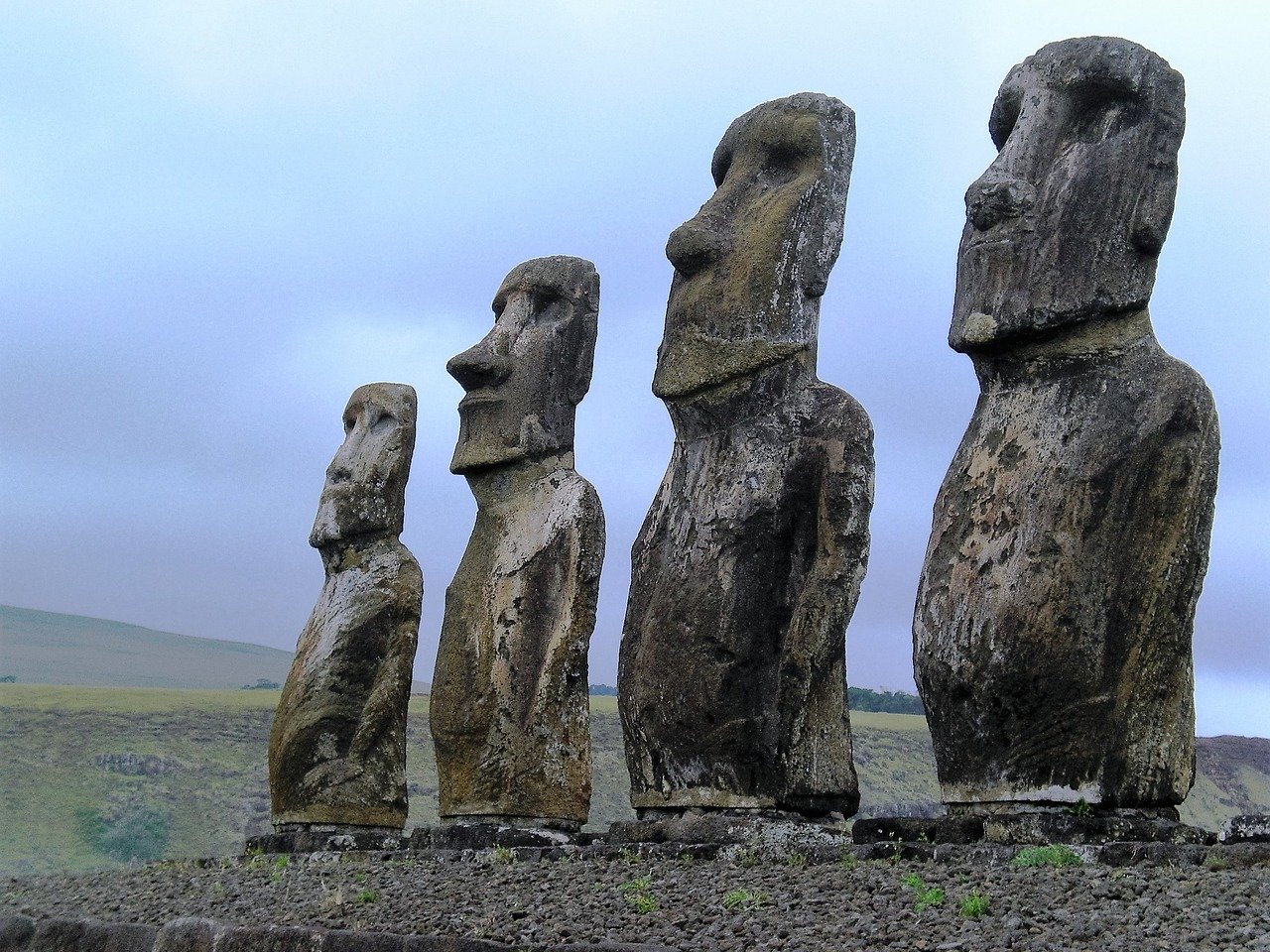
The moai are carved human figures with oversize heads, often resting on massive stone pedestals called ahus. Ahu Tongariki has the largest group of upright moai.
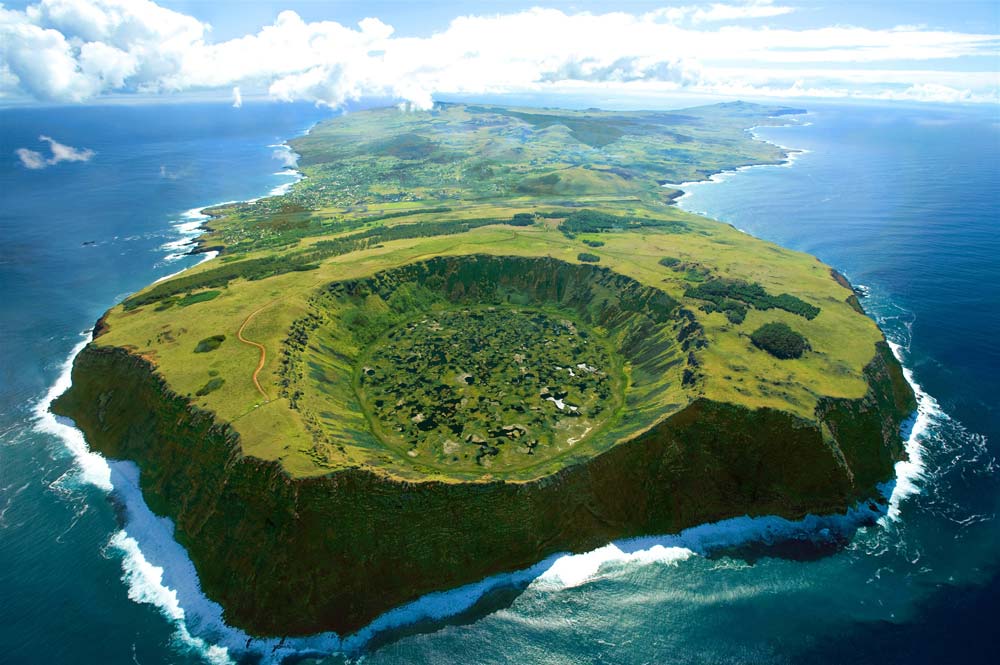
The name Easter Island was given by Jacob Roggeveen, the first recorded European visitor to the island on 5 April 1722, which so happened to be Easter Sunday.  
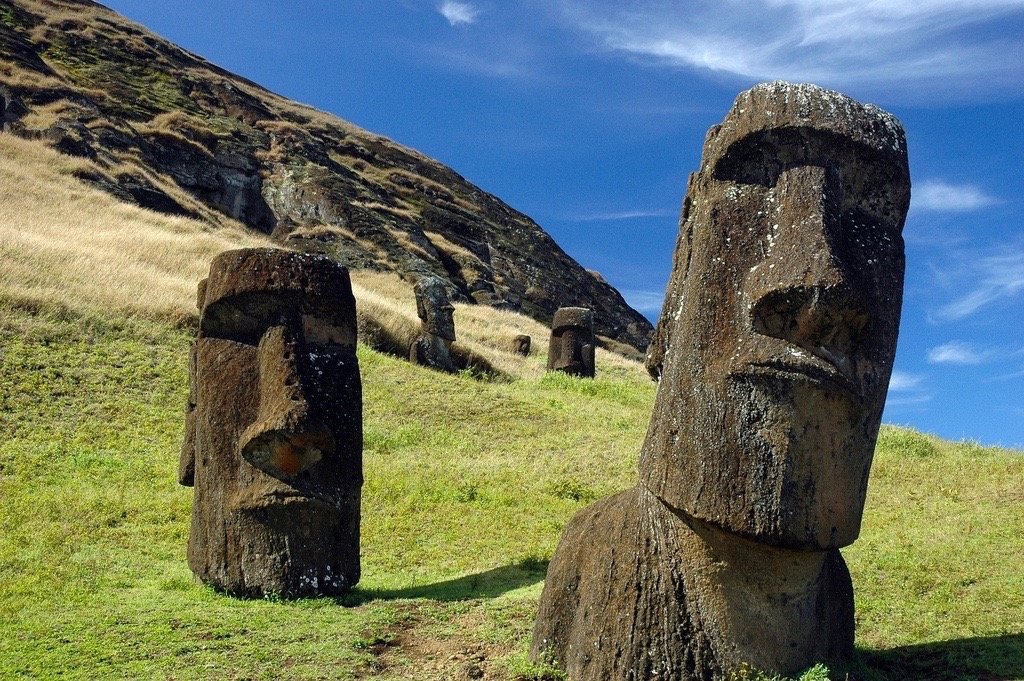
There are nearly 900 Moai on Easter Island, in various stages of construction. The average size of a Moai statue is 13 feet tall and 14 tons.

Built to honour a chieftain or important people the natives believed the spirit of the person would forever watch over the tribe and bring good fortune. This is why the statues are called Moai: the word comes from Rapa Nui (the Polynesian language of Easter Island) and means “so that he can exist”. 
None of the Moai statues were standing when scientists first arrived, those upright today have been re-erected. 

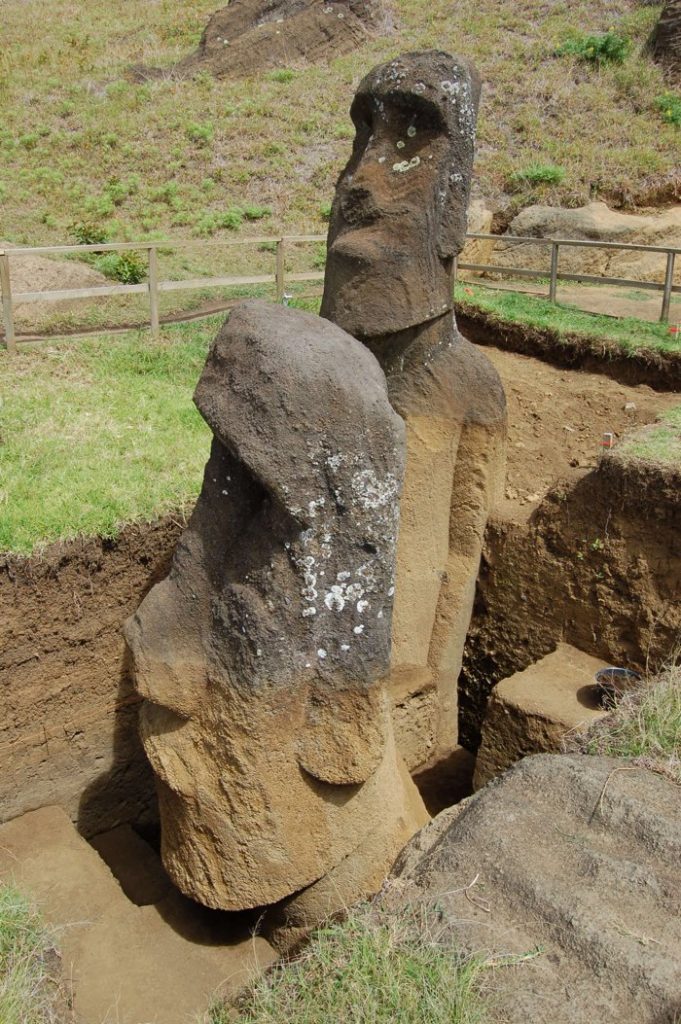
Although commonly known as the ‘Easter Island heads’ this is a misconception as it was discovered in 2012 that all of the heads have full bodies which have become submerged.
See More Places

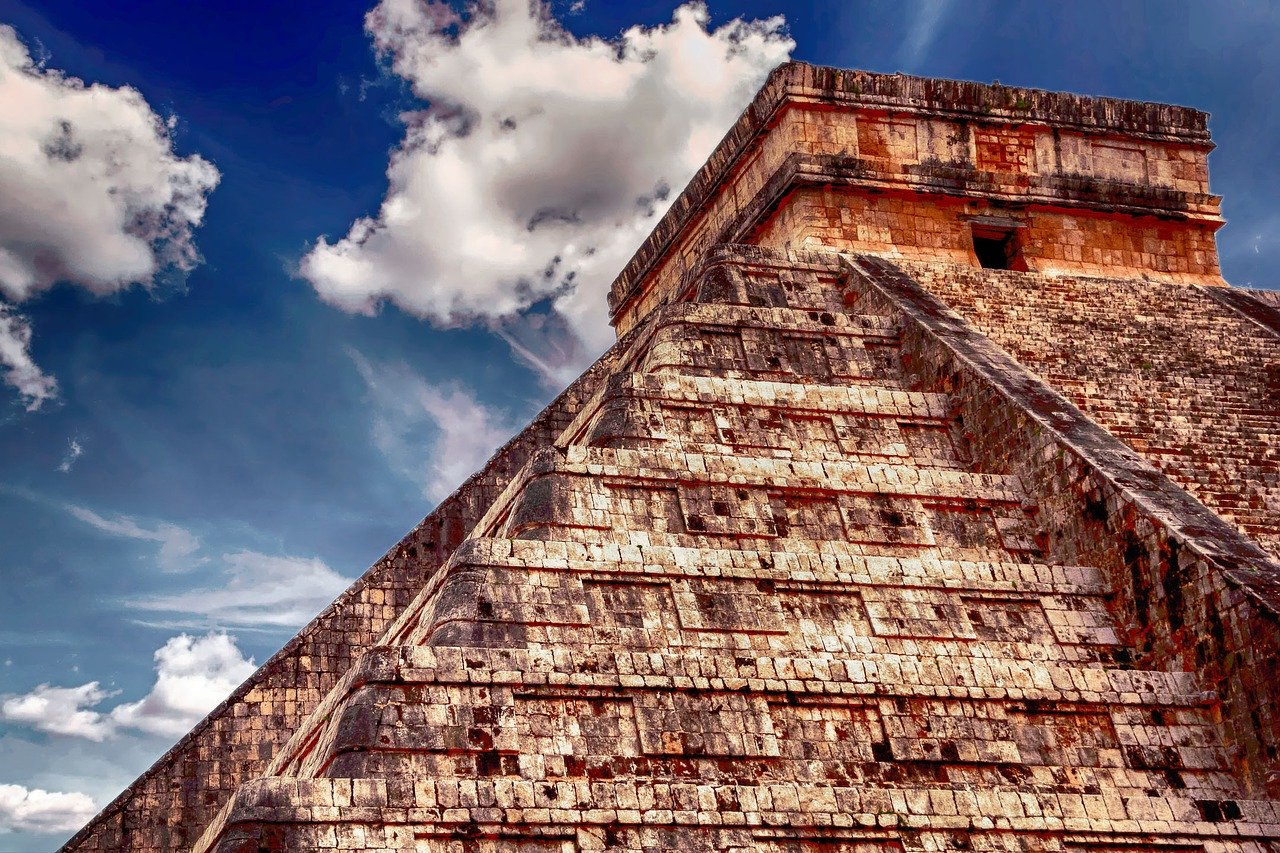
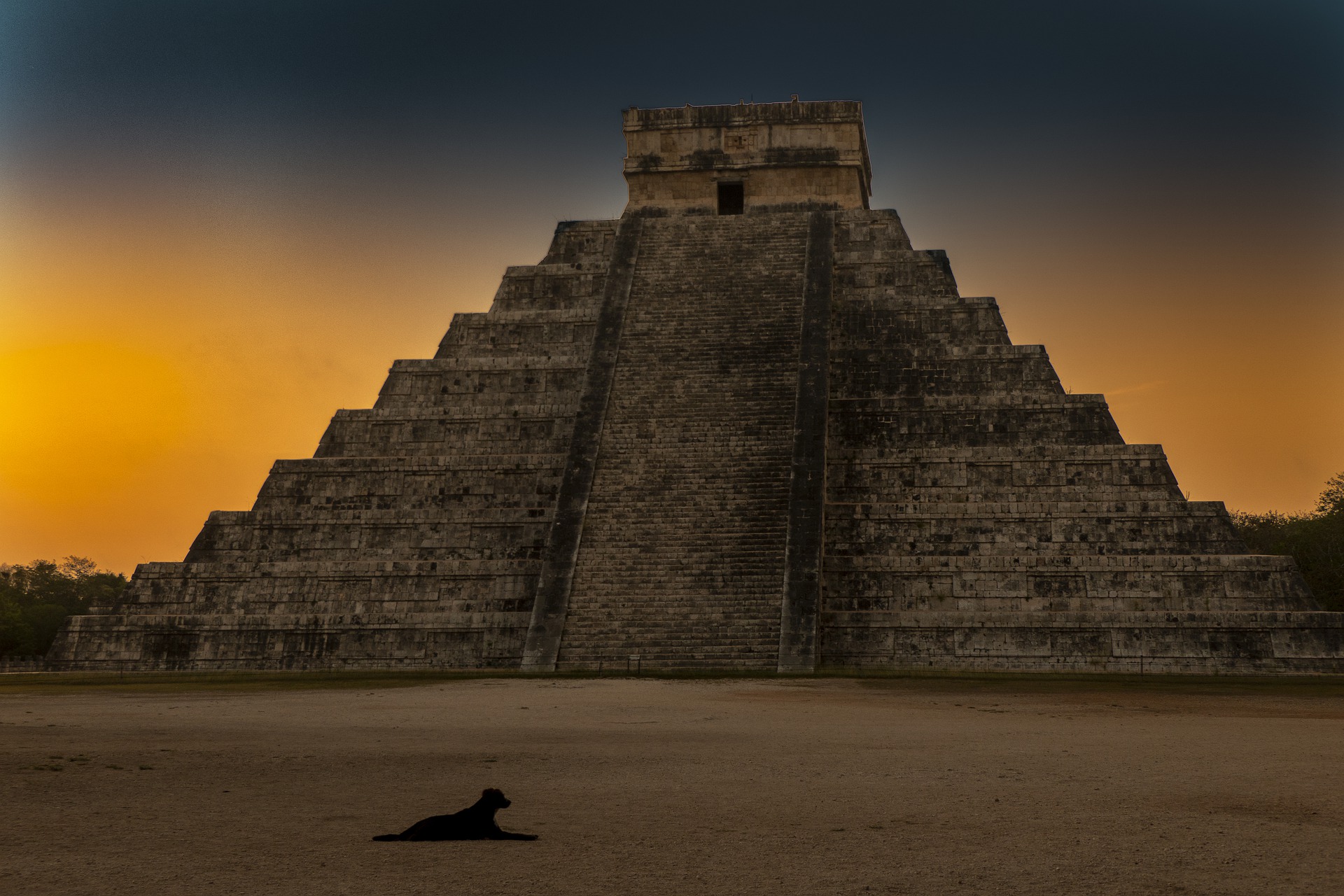
If you’ve ever visited one the Mayan pyramids on a trip to Cancun or the Mayan Riviera, the structure’s complex construction and simple beauty surely caught your imagination.

But when you learn the history and significance of the pyramids, as well as the facts surrounding their construction some 9,000 years ago, casual interest turns to wonder.

And not all Mayan pyramids are constructed alike. The ancient Mayans built two types of pyramids: some to use for sacrificial rituals and some intended to remain untouched.

In yesteryear, almost all of these pyramids were open to the public, and anyone who wished to attempt a climb was free to do so. Today, restrictions often forbid this. While that may disappoint visitors, it’s easy to see how climbing can be destructive to the ruins and dangerous to tourists. And there is still a lot of terrain to cover to experience the ruins of a Mayan city.

See More Places

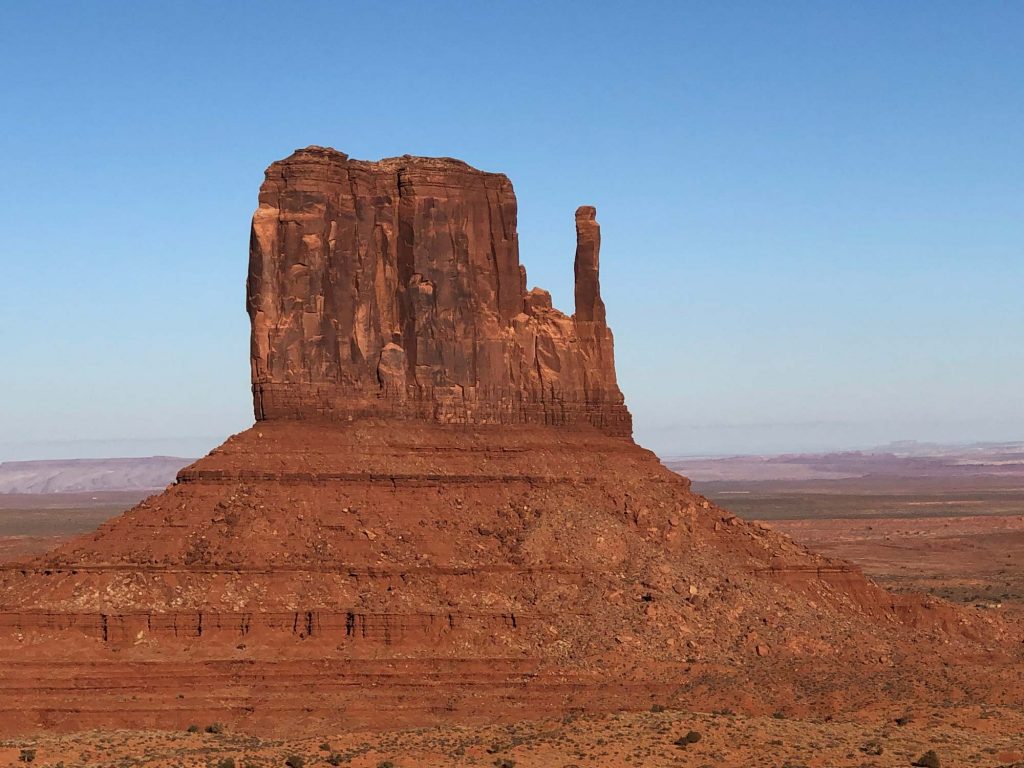
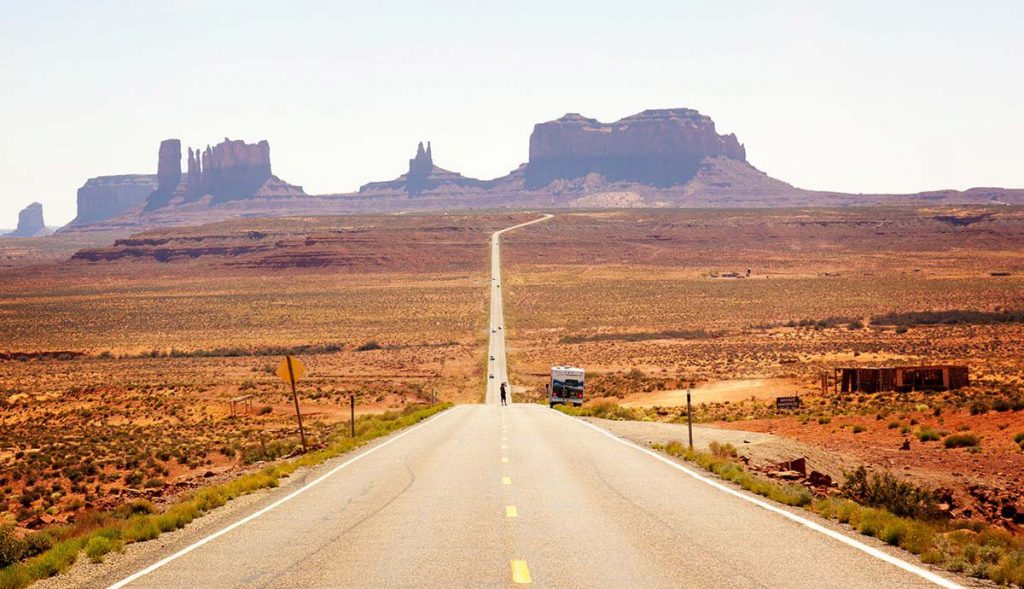
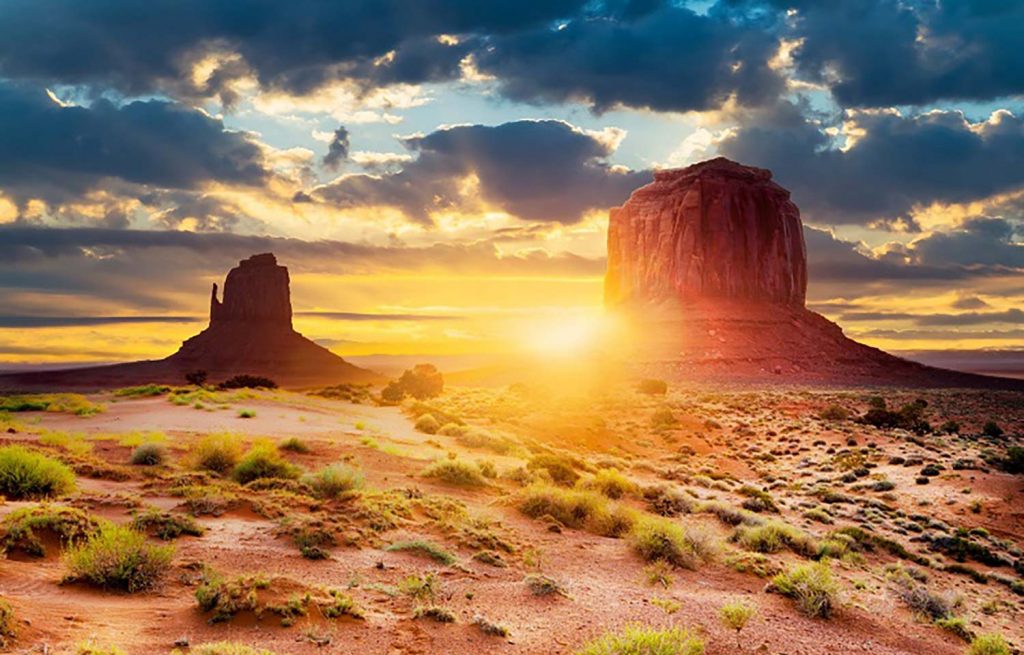
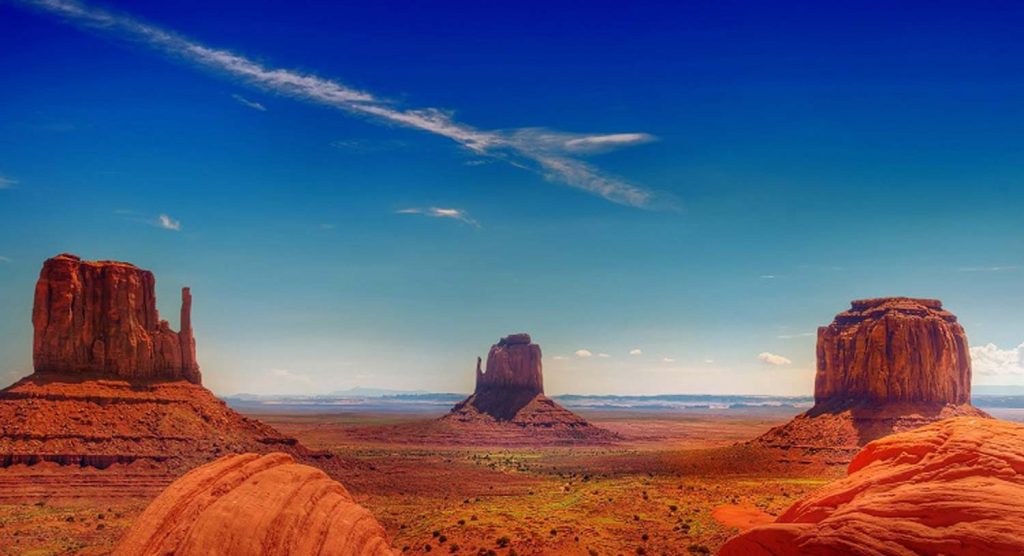
Monument Valley, a red-sand desert region on the Arizona-Utah border, is known for the towering sandstone buttes of Monument Valley Navajo Tribal Park.

Known for its majestic, free-standing sandstone buttes, this sprawling, 92,000-acre valley attracts more than 250,000 sightseers per year.

Visitors come to this isolated area on the Arizona-Utah border to hike, drive, photograph or simply experience its natural and ever-changing beauty.

But contrary to popular belief, Monument Valley is not on public land. Unlike many nearby national parks in Arizona and Utah, Monument Valley is a tribal park owned and operated by the Navajo Nation.

John Ford “discovered” the area in the 1930s and began filming Western movies there, propelling the landscape into international fame.

Monument Valley is still a favorite location for filmmakers. Blockbusters like Back to the FutureMission ImpossibleThe Lone Ranger and Transformers: Age of Extinction were shot there. The valley even appears in the 2014 film The Lego Movie.

The Navajo name for the park is Tsé Biiʼ Ndzisgaii, or Valley of the Rocks. Ten families make their homes inside the park, where they live without running water or electricity and rely on farming and grazing for income.

A 17-mile loop road takes visitors through the park. Locals ask that visitors respect their privacy and stay on marked trails and roads.

“Because people live in the valley, they do want their peace and quiet,” Parrish said. “We ask that visitors exit before the sun goes down.”

See More Places
See More Places
See More Places
See More Places
See More Places
See More Places
See More Places
See More Places